Dead Branch Removal in Doylestown, PA
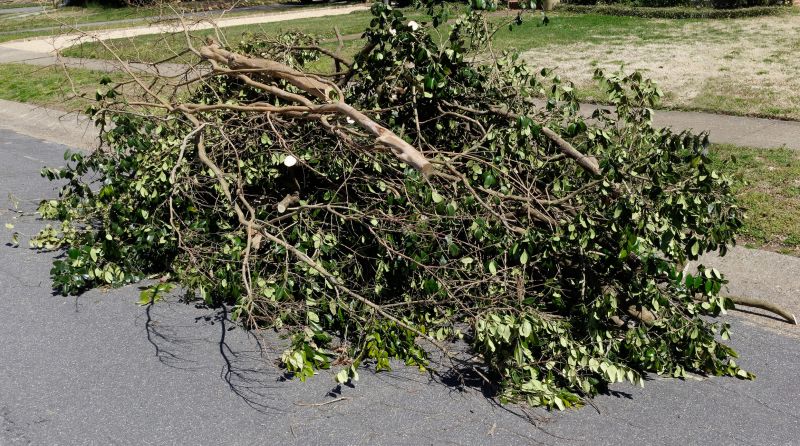
Dead branch removal services focus on safely and effectively removing unwanted or hazardous branches from trees on residential properties. This service covers a variety of projects, including pruning overgrown or damaged limbs, removing dead or decaying branches that pose a risk of falling, and thinning out dense canopies to improve tree health and air circulation. Homeowners considering dead branch removal often want to understand the scope of work involved, potential impacts on the tree’s overall health, and any necessary precautions to prevent future issues.
Property owners typically inquire about the best timing for dead branch removal, especially to avoid damage during storms or high winds. They may also seek guidance on identifying which branches should be removed and how the process can enhance safety, aesthetics, or tree vitality. Understanding the extent of the work and its effect on the tree’s growth can help homeowners make informed decisions about maintaining their landscape and preventing potential hazards related to falling branches.
Many property owners in Doylestown, PA look into Dead Branch Removal for repairs, replacements, upgrades, and appearance-related improvements.
Hazardous Dead Branch Removal
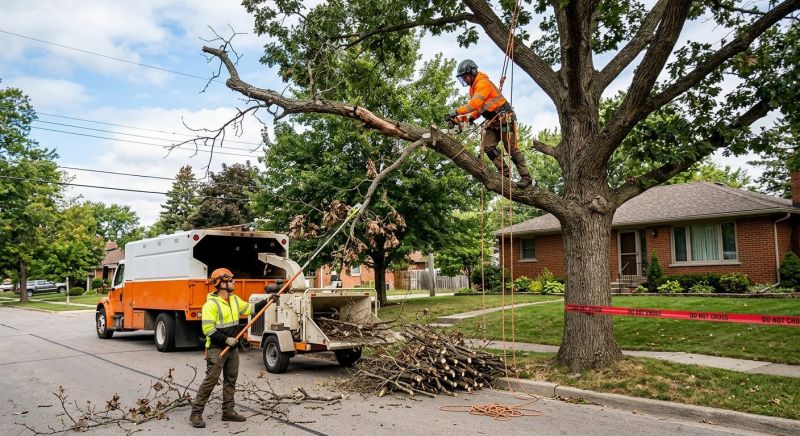
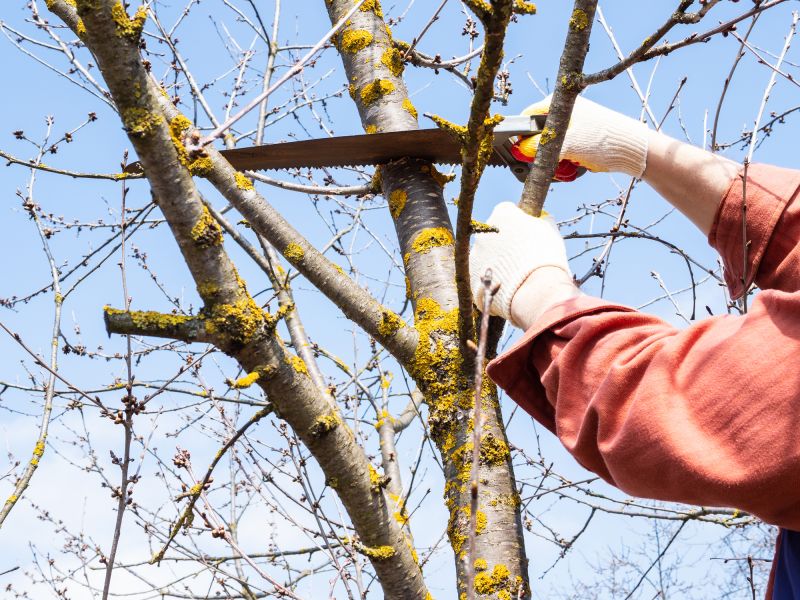
Removing dead branches reduces the risk of falling and property damage.
Tree Health And Safety
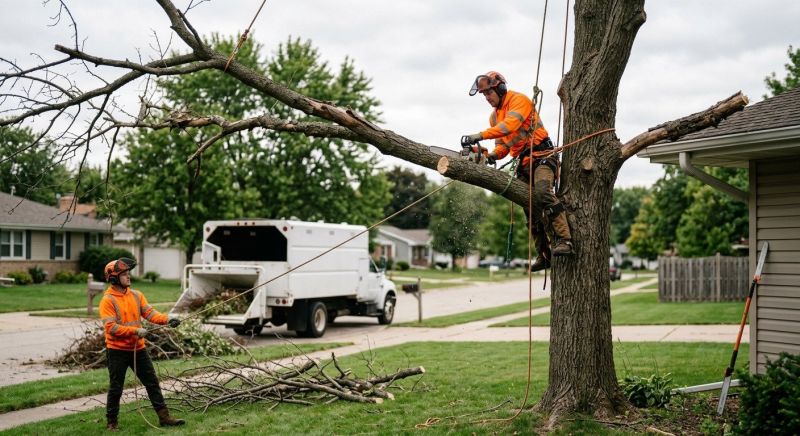
Pruning dead branches promotes tree health and prevents disease spread.
Property Maintenance And Aesthetics
Removing dead branches enhances the appearance and safety of residential landscapes in doylestown, pa.
Dead Branch Removal in Doylestown, PA
Dead branch removal services focus on safely and effectively removing unwanted or hazardous branches from trees on residential properties. This service covers a variety of projects, including pruning overgrown or damaged limbs, removing dead or decaying branches that pose a risk of falling, and thinning out dense canopies to improve tree health and air circulation. Homeowners considering dead branch removal often want to understand the scope of work involved, potential impacts on the tree’s overall health, and any necessary precautions to prevent future issues.
Property owners typically inquire about the best timing for dead branch removal, especially to avoid damage during storms or high winds. They may also seek guidance on identifying which branches should be removed and how the process can enhance safety, aesthetics, or tree vitality. Understanding the extent of the work and its effect on the tree’s growth can help homeowners make informed decisions about maintaining their landscape and preventing potential hazards related to falling branches.
Many property owners in Doylestown, PA look into Dead Branch Removal for repairs, replacements, upgrades, and appearance-related improvements.
Common Dead Branch Removal Jobs
Dead tree branches removal to prevent hazards and property damage.
Overgrown or broken branches are trimmed to maintain tree health and safety.
Hazardous limb removal reduces the risk of falling during storms or high winds.
Dead branch removal improves landscape appearance and promotes healthy growth.
Unsafe or damaged branches are carefully pruned to protect structures and power lines.
Routine dead branch removal supports overall tree stability and safety.
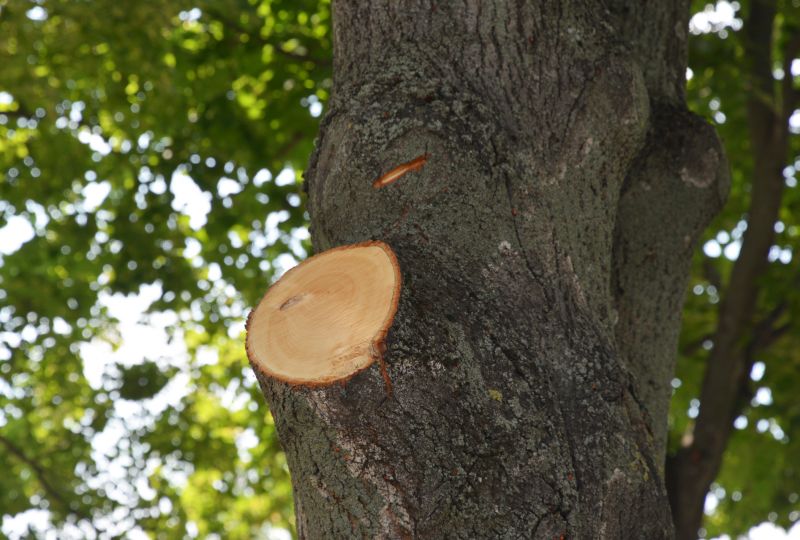
Dead Branch Removal Questions
Why should dead branches be removed? Removing dead branches helps prevent potential damage to the tree and reduces the risk of falling limbs that could harm property or people.
How can dead branches affect a property's appearance? Dead branches can make trees look unkempt and negatively impact the overall curb appeal of a property.
Is dead branch removal safe for healthy trees? Yes, removing dead branches is a standard practice that supports the health and stability of the tree.
When is the best time to remove dead branches? Dead branches can be removed at any time, but it is often done during routine pruning or when they pose an immediate hazard.
Request Dead Branch Removal in Doylestown, PA
Use the quote form on this page to share the basics of your project and request more information for the type of work you need.