Optimal Timing for Vine Removal
Vine removal timing is crucial for effective and safe clearance. The optimal period depends on vine type, local climate, and growth cycle. Proper timing ensures minimal regrowth and reduces damage to structures or surrounding plants.
Spring is ideal for removing vines before they fully leaf out, making removal easier and reducing regrowth potential.
This period allows for removal after the growing season, when vines are more mature but before dormancy begins.
Winter or dormancy offers the least active growth, simplifying removal and reducing the risk of damaging new growth.

Spring removal involves cutting vines before they fully develop leaves, facilitating easier clearance.
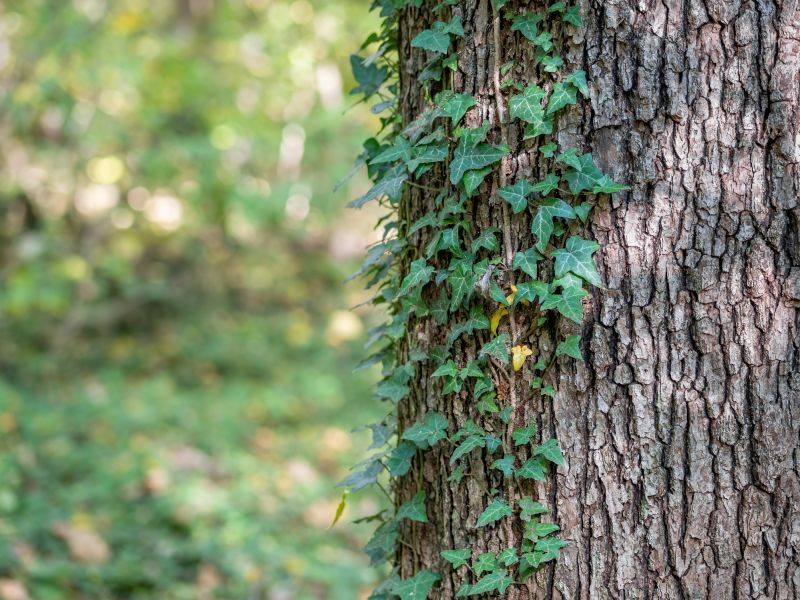
Summer removals target mature vines, often requiring more effort due to dense foliage.
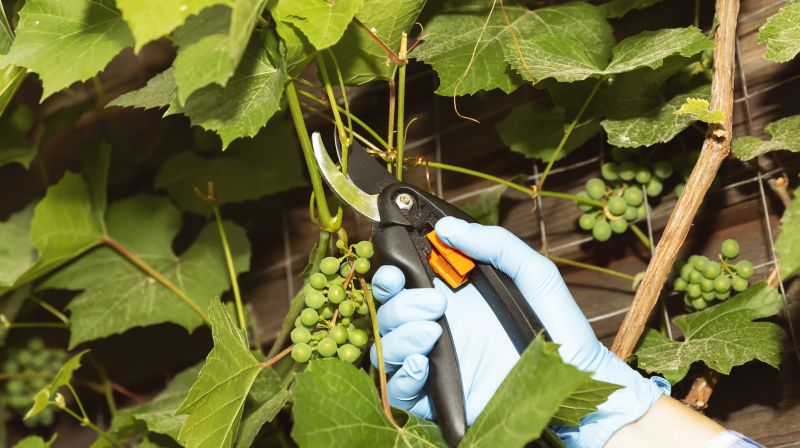
Winter is suitable for removal during dormancy, with minimal active growth present.

Ways to make Vine Removals work in tight or awkward layouts.

Popular materials for Vine Removals and why they hold up over time.
Simple add-ons that improve Vine Removals without blowing the budget.
Vine removals are performed to eliminate invasive growth, prevent structural damage, and improve landscape aesthetics. Vines can cause significant issues if left unchecked, including damage to walls, fences, and trees. Proper timing enhances removal efficiency and reduces regrowth, saving time and effort in the long term.
| Season | Advantages |
|---|---|
| Spring | Vines are still manageable, and removal prevents extensive growth. |
| Summer | Vines are mature, making them easier to identify and target. |
| Fall | Removals can be completed before dormancy, reducing regrowth. |
| Winter | Minimal active growth simplifies removal and reduces damage. |
| Late Summer | Allows for removal after the growing season with less foliage interference. |
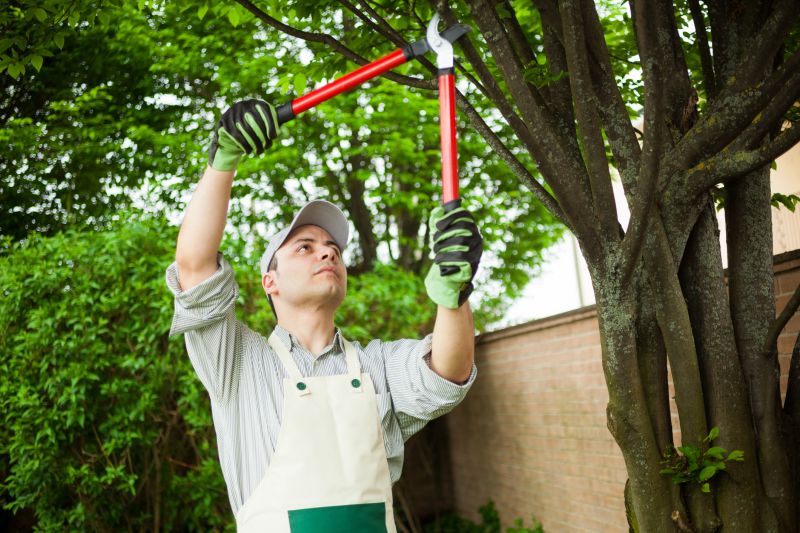
Using proper tools during removal can improve safety and efficiency.
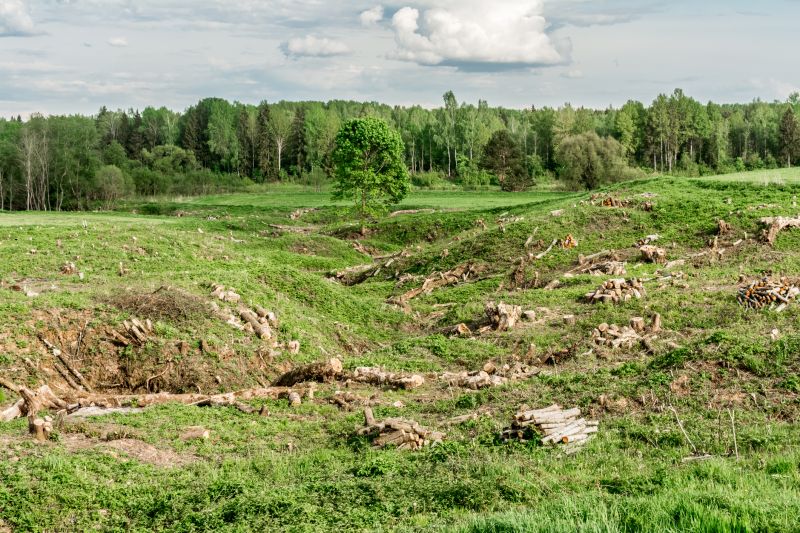
Effective cleanup prevents regrowth and maintains landscape health.

Inspect structures for damage caused by vines and plan repairs if necessary.
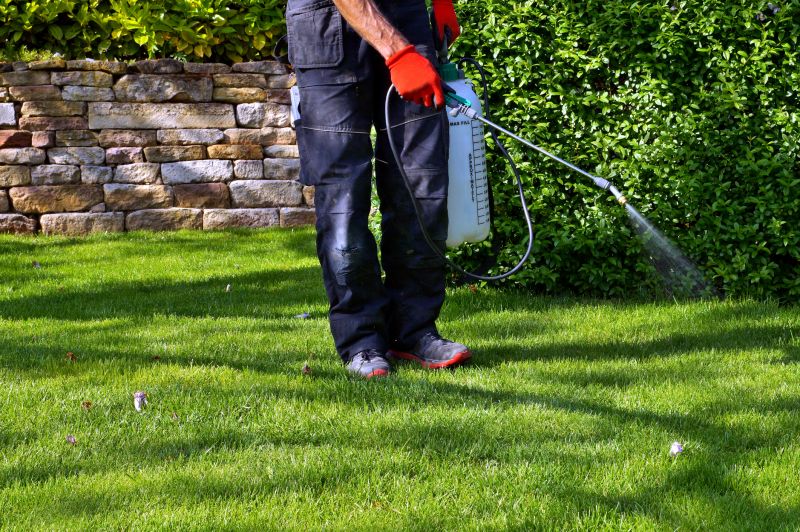
Applying barriers or treatments can reduce future vine growth.
Understanding the growth cycle of specific vine species aids in selecting the best removal time. Some vines, such as poison ivy or invasive honeysuckle, require particular attention to timing to prevent regrowth. Regular monitoring and removal during optimal periods ensure long-term control.
Vines typically grow actively during warm months, with dormancy in colder seasons.
Timely removal reduces the likelihood of regrowth and structural damage.
Consulting professionals can help determine the best removal schedule based on vine type and local climate.
Interested in removing vines effectively and at the right time? Filling out the contact form can provide guidance tailored to specific landscape needs and vine types. Proper timing and professional assistance ensure a clean, safe, and lasting removal process.